What Is an MS Polymer Sealant?
ADINOX MS polymer sealants are formulated with modified silane polymer technology, combining the best properties of polyurethane and silicone chemistries. As a hybrid polymer sealant, MS polymer offers exceptional flexibility, UV resistance, and adhesion to multiple substrates without the drawbacks of traditional sealants.
Unlike polyurethane sealants, ADINOX MS polymer adhesive sealants are isocyanate-free and solvent-free, making them safer for applicators and more environmentally responsible. Our advanced polymer sealant formulations cure with atmospheric moisture, requiring no mixing or special equipment.
Advantages of MS Polymer Adhesive Sealants
Superior Chemistry
- Isocyanate-free — Safer than polyurethane sealants, no respiratory hazards
- Solvent-free — Zero VOC emissions, meets LEED requirements
- Silicone-free — Paintable surface, no silicone migration
- Low aquatic toxicity — Environmentally responsible formulation
Performance Benefits
- High UV resistance — No yellowing or degradation from sun exposure
- Excellent flexibility — Up to 350% elongation, accommodates movement
- Strong adhesion — Bonds to aluminum, steel, stainless steel, PVC, ABS, glass, wood, and concrete. Engineering plastics with primer
- Moisture cure — Cures with atmospheric humidity, no mixing required
- Wet surface application — Can be applied on damp substrates
Parameters
| Chemical base |
|
Curing Mechanism
|
|
Curing Speed
|
|
Mechanical Strength
|
|
Temperature Resistance
|
|
Chemical Resistance
|
|
UV Resistance
|
|
Humidity Resistance
|
|
Elasticity
|
| Special features |
MS Polymers
| Modified silane |
| Silane hybridization |
| Medium (24 h) |
| High |
| Medium (≤ 248°F) |
| High |
| Very high |
| Very high |
| High |
| Bonds underwater and on wet surfaces; ideal for galvanized metals |
Polyurethane (PU)
| Urethane |
| Moisture or catalyst reaction |
| Medium (24 h) |
|
Medium |
| Medium (≤ 248°F) |
| Medium |
| Medium |
| High |
| High |
| Designed for general-purpose applications |
Acetic Silicone
| Silicone |
| Moisture reaction |
| Medium (24 h) |
| Low |
| Very high (≤ 482°F) |
| High |
| Very high |
| Medium |
| Very high |
| Ideal for sealing low surface energy plastics |
ADINOX MS Polymer Sealant Products
ADINOX offers a range of the best MS polymer sealant products, each engineered for specific applications. Every MS polymer based sealant in our lineup is formulated to deliver optimal performance for its intended use case.
ADINOX® S70
INSTANT TACK MS POLYMER SEALANT
High-viscosity MS polymer adhesive sealant with immediate tack (≥400 kg/m²). Ideal for vertical applications where instant grip is required. Bonds without clamping.
Tensile Strength | 1.60 MPa |
Elongation | 100-200% |
Shore A Hardness | 60-70 |
Temperature Range | -40°C to 90°C / -40°F to 194°F |
ADINOX® MS40
HYBRID ADHESIVE SEALANT
General-purpose hybrid polymer sealant with excellent flexibility and adhesion. Suitable for construction, industrial maintenance, and general sealing applications.
Tensile Strength | 1.54 MPa |
Elongation | 350% |
Shore A Hardness | 40 |
Temperature Range | -40°C to 100°C / -40°F to 212°F |
Aplications

Construction
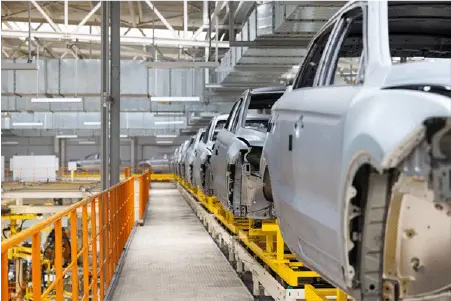
Automotive
Automotive
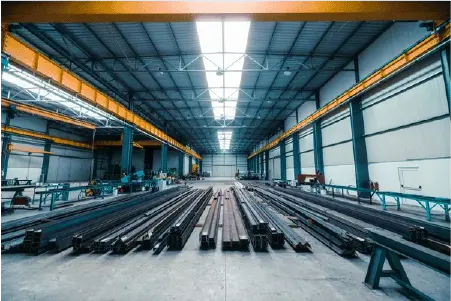
Metalworking
Frequently Asked Questions
What is the difference between MS polymer and silicone sealant?
MS polymer sealants are paintable and do not cause silicone migration, while silicone sealants cannot be painted and may contaminate adjacent surfaces. MS polymer also offers better mechanical strength and adhesion to metals. Silicone has higher temperature resistance (up to 482°F (250°C) vs 194–212°F (90–100°C) for MS polymer, depending on formulation).
Is MS polymer sealant better than polyurethane?
MS polymer offers several advantages over polyurethane: it is isocyanate-free (safer for applicators), has superior UV resistance (no yellowing), can be applied on wet surfaces, and is odorless. Polyurethane may offer slightly higher tensile strength in some formulations, but MS polymer provides better overall performance for most applications.
What surfaces can MS polymer sealant bond to?
MS polymer adhesive sealants bond to most construction and industrial materials including: aluminum, steel, stainless steel, galvanized metal, copper, glass, ceramic, wood, concrete, brick, PVC, ABS, fiberglass, and painted surfaces. For plastics such as acrylic (PMMA), polycarbonate (PC), and PET, a primer is required (e.g., ADINOX Primer +217). Low surface energy plastics like polyethylene or polypropylene are not recommended.
How long does MS polymer sealant take to cure?
MS polymer sealants cure through reaction with atmospheric moisture. Typical cure times at 73°F (23°C) and 55% relative humidity: skin formation in 15-20 minutes, handling strength in 4 hours, 50% functional cure in 24 hours (3mm bead), and full cure in 48-72 hours. Higher humidity accelerates curing; lower humidity slows it.
Can MS polymer sealant be painted?
Yes, MS polymer sealants are fully paintable with most paint systems including water-based, solvent-based, and powder coatings. Wait for skin formation (approximately 20 minutes) before painting. Unlike silicone sealants, MS polymer does not cause paint adhesion problems or fish-eye defects.
What is the temperature range for MS polymer sealants?
ADINOX MS polymer sealants operate continuously from -40°F to +212°F (-40°C to +100°C). Application temperature range is +41°F to +104°F (+5°C to +40°C). The sealant maintains flexibility throughout this temperature range without cracking or hardening. For higher temperature applications (above 248°F (120°C)), silicone sealants are recommended.
Does MS polymer sealant contain isocyanates?
No. ADINOX MS polymer sealants are 100% isocyanate-free, unlike polyurethane sealants which contain MDI or TDI isocyanates. This makes MS polymer a safer choice for enclosed spaces and reduces respiratory health risks for applicators. MS polymer also requires no special ventilation during application.
What is the best sealant for expansion joints and movement joints?
MS polymer sealants are ideal for expansion joints and movement joints due to their exceptional elongation (up to 350%) and permanent flexibility. ADINOX MS40 is specifically engineered for low-modulus, high-movement applications, while ADINOX S70 provides higher initial tack for vertical joints. Both maintain their elastic properties over the full temperature range of -40°F to +212°F (-40°C to +100°C).
Why choose a paintable sealant over silicone?
Silicone sealants cannot be painted because paint does not adhere to silicone surfaces, and silicone migration can contaminate surrounding areas, causing paint defects. MS polymer sealants are fully paintable within 20 minutes of application, accept all paint types (water-based, solvent-based, and powder coatings), and do not cause silicone migration. This makes MS polymer the preferred choice for visible joints in construction and industrial applications.
Versatile adhesive solutions for metals, composites, plastics, and more, with guaranteed quality and exceptional performance.
Join our distributor network and offer your customers high-quality adhesive solutions, backed by dedicated stock, reliability, and excellent technical support. Let's take your business to the next level!